Connected Frontline Workforce (CFW) initiatives are helping manufacturers reduce incidents, improve quality, and boost productivity by transforming how decisions are made, knowledge is captured, and performance is sustained. LNS Research finds that over 55% of manufacturers have already scaled CFW solutions for safety, quality, and security across the enterprise (Figure 1). CFW applications have matured with emerging use cases accelerating employee onboarding and enhancing decision-making to become a critical enabler for reversing declining performance.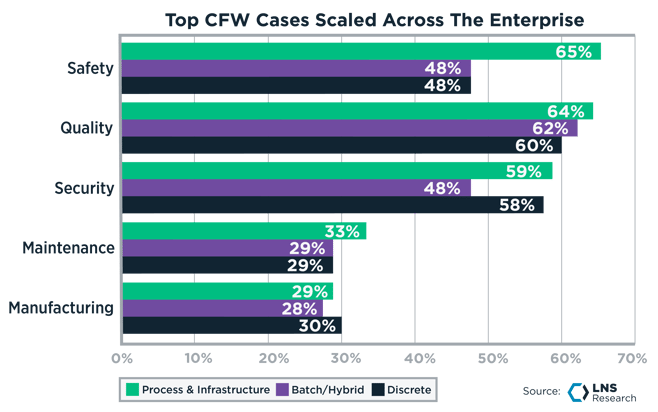
Figure 1: Manufacturers are focused on scaling safety,
quality, and quality CFW use cases across the enterprise.
To achieve sustainable, step-change improvements, manufacturers must evolve connected worker efforts into a more holistic Future of Industrial Work (FOIW) strategy. Executives who are winning recognize that the path to success is not the same across industries and are aligning support solutions with the overall industrial operations strategy. Starting with this approach allows organizations to better identify the right CFW solution provider(s), who deeply understand industry-specific realities, for safer, more agile, and profitable operations.
Industry Differences Mean Different Challenges & Different Frontlines
The bottom line is simple: if you want to scale CFW applications quickly and effectively, avoid one-size-fits-all solutions. The approach to solution selection can differ dramatically depending on the specific characteristics and demands of each industry. For example, a CFW solution that thrives in an asset-intensive process & infrastructure setting doesn’t always work in a labor-intensive discrete or even in batch industries where attracting and retaining talent hasn’t been as challenging.
To maximize value, leaders must match their transformation strategy to the labor intensity, automation level, and role responsibilities unique to their sector:
- Labor Intensity: Food & Beverage remains highly labor-intensive, while agriculture is rapidly adopting advanced equipment to automate manual tasks.
- Automation Levels: Automotive assembly is often heavily automated, while Building & Construction Materials exhibit a wide range of automation maturity.
- Operator & Supervisor Roles:
- Process & Infrastructure (Chemical, Oil & Gas): Operators control, monitor, and troubleshoot continuous processes while supervisors typically focus on production, quality, and safety oversight.
- Discrete (Aerospace engineer-to-order, Life Sciences medical devices): Operators design, assemble, and test complex products as supervisors manage project teams and ensure regulatory compliance.
Taking a copy/paste approach can present a great risk, often leading to failure and a loss of trust. It’s not just in learning what the top failure modes are for transformation, but also in adapting manufacturing best practices from across industry verticals and peers to accelerate your own organization’s goals. However, when building the business case, positioning CFW applications as a solution that enhances existing infrastructure and connects employees to critical information when and where they need it (Figure 2) works to gain buy-in across all industries.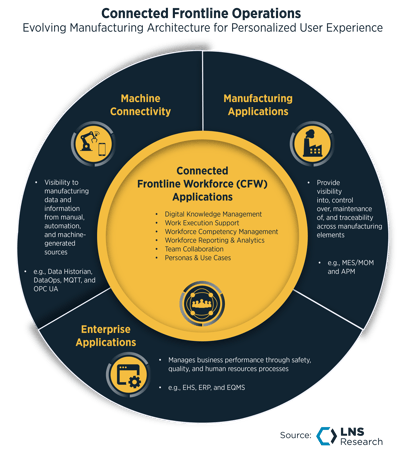
Figure 2: CFW applications enhance the existing tech
stack by providing real-time, role-specific insights.
Core CFW Use Cases & Emerging Industry Adoption
The most successful CFW deployments have been based on operational realities, frontline workforce needs, and the overall digital transformation maturity across the enterprise. While safety, security, and quality remain the top CFW use cases, with over 50% of manufacturers having scaled all three, emerging use cases have become key in overcoming business challenges and improving operational agility. With many having already scaled these core CFW use cases, Table 1 identifies implementation across industry groups adopting emerging use cases to mitigate risks and accelerate opportunities.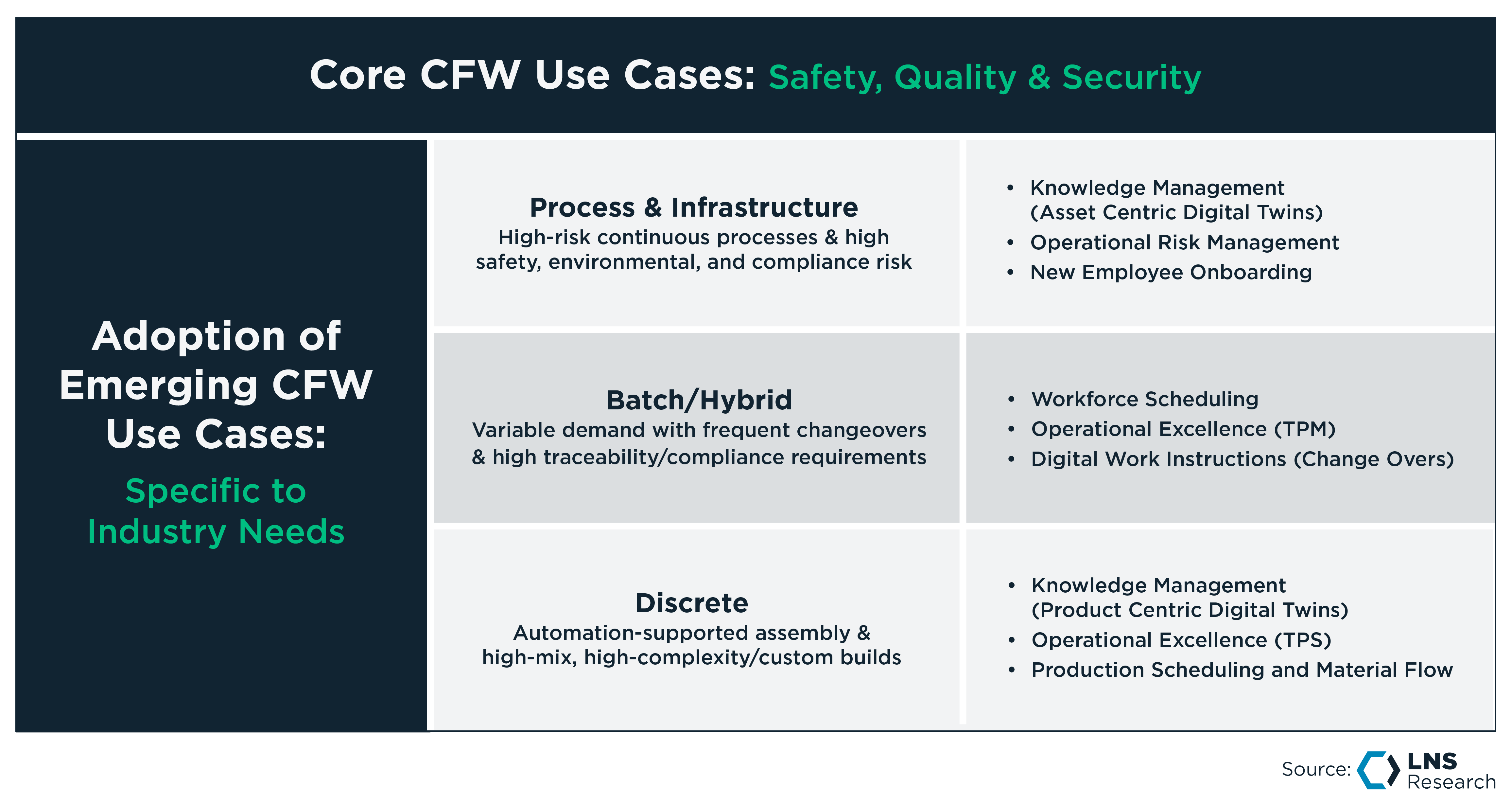
Table 1: Manufacturers are prioritizing CFW use cases that
better address industry-specific opportunities and risks.
These industry-specific adoption trends, discussed in a previous blog, have helped CFW providers increase their presence within respective markets to rapidly grow and expand capabilities. Examples of users reporting successful deployments include Innovapptive and Augmentir, in Process & Infrastructure, Poka and QAD Redzone in Batch/Hybrid, as well as L2L and Tulip for Discrete manufacturing. With AI-embedded CFW applications, connected with business systems and industrial applications, manufacturers are empowering rapid, data-driven decision-making all the way down to the shop floor.
How COOs Can Pivot Plant-Level Success to Enterprise Step-Change
Diving into solution selection puts the cart before the horse and risks wasted investment, low adoption, and missed improvement opportunities. Starting with a holistic Future of Industrial Work program aligned to the industrial operations strategy is foundational. From there, the organization is better able to quickly and effectively choose CFW solutions for future scale.
A knowledge-first, people-empowered strategy that enables better, faster decisions is critical for operational flexibility and agility. Manufacturers must move away from an operating model where HR only spends 20% of their time and effort on 80% of the workforce across the frontlines, who are creating direct value for customers. By taking an enterprise-first approach, manufacturers can leverage best practices from across the plant network faster to accelerate corporate-wide value creation.
COOs can ensure OT, IT, EHS, and HR initiatives are fully integrated to support corporate strategy and sustainable step-change by focusing on the following:
- Align Business Objectives with FOIW Strategy: The LNS Research Industrial Transformation Framework begins with clear business objectives for reimagining processes. For COOs, this means linking FOIW goals (e.g., safety improvement, quality gains, productivity boosts) to measurable business outcomes before evaluating tools.
- Visualize the Connected Operations Ecosystem: Establish an operational architecture that manages IT/OT convergence and next-gen technologies. Visualizing how CFW applications enhance enterprise MES, ERP, EHSS, EQMS, APM, and Industrial AI deployments to create a closed-loop learning system that continuously improves safety, quality, and productivity, prevents isolated deployments that limit value.
- Ensure Industry-Specific CFW Solutions Make the Shortlist: COOs should evaluate vendors across core and emerging capabilities using the LNS Research CFW Applications Framework (Figure 3). Creating a short-list based on CFW vendors' strengths today and the organization’s future plans for knowledge management, AI-powered decision support, AR/VR-enabled training, and intelligent risk management capabilities.
%20Applications-2.png?width=9543&height=5907&name=2025%20Connected%20Frontline%20Workforce%20(CFW)%20Applications-2.png)
Figure 3: The LNS Research CFW Applications framework.
- Prioritize AI-powered Decision Intelligence – Tailored to Your Vertical: Across all verticals, the value comes from the same capability: AI that predicts, recommends, and guides in real time—giving operators and supervisors the confidence to make the safest, highest-quality decision every time. Leaders aren’t just digitizing work—they’re applying Industrial AI in ways that reflect the realities of their industry’s labor model, automation maturity, and frontline roles (Figure 4), with AI decision intelligence deployed to meet sector-specific needs:
-
- Process & Infrastructure (Chemical, Oil & Gas, and Energy) Use AI to augment control-room operators with predictive alarms, automated triage, and scenario recommendations—reducing deviation response time and enhancing asset integrity and safety.
- Batch (Food & Beverage, CPG, and Other Labor-Intensive Industries) Invest in AI that guides operators through high-variability tasks, prevents human-error-driven quality escapes, and provides real-time coaching during sanitation, changeovers, and rapid line resets.
- Discrete (Aerospace, Life Science Devices, and Engineer-to-Order Industries) Deploy AI to capture tacit knowledge, support complex assembly and testing steps, and ensure regulatory-compliant decision making across long production cycles.
- Asset-Intensive (Agriculture, Mining, and Heavy Equipment)
Apply AI to optimize equipment settings, automate routine monitoring, and assist operators with anomaly detection across large physical environments.
- Highly Automated Environments (Automotive and Assembly)
Embed AI in advanced machinery, vision systems, and process control to surface micro-deviations early, synchronize robot–human workflows, and help supervisors orchestrate complex operations.
- Position CFW as an Interface, Not an Initiative: Adopt the Intelligent Supply Network Software approach with CFW applications positioned as a tool for role-based guidance and personalized support. Embedding change management early to show how real-time information, knowledge, and AI-powered insights support safe work execution, upskill employees, and enable better, faster decisions can accelerate adoption to progress the FOIW journey.
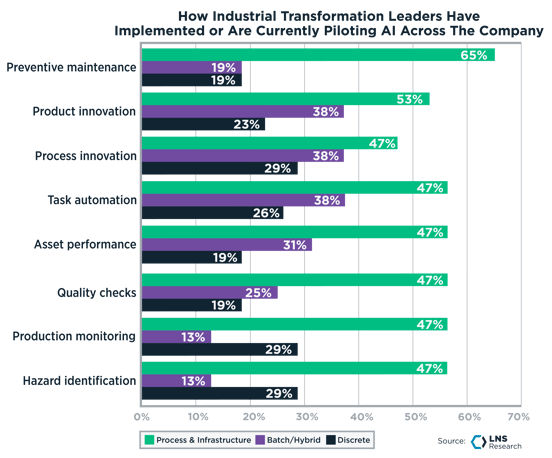
Figure 4: Research shows AI investments vary across
industry verticals for Industrial Transformation Leaders
CFW applications aren’t just meant for the frontlines; they empower leaders, frontline employees, and cross-functional teams to collaboratively drive safety, quality, productivity, and sustainability improvements. Evolving manufacturing architecture to provide a personalized user experience creates a closed-loop learning system that can mature decision intelligence.