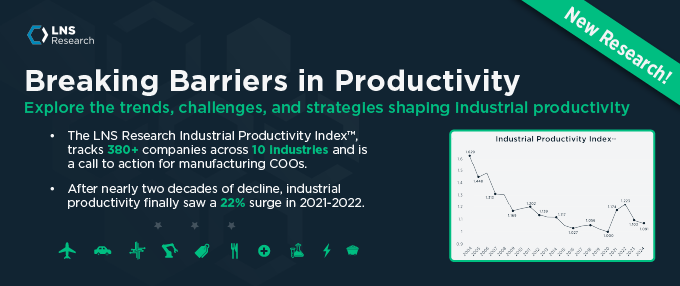
The degrading base case, elevated supply uncertainty, and an increasingly stressed US consumer are driving urgency at the board level to reimagine unsustainable operating models. In fact, 89% of companies have elevated workforce transformation initiatives, more than sustainability, CIO-led transformation, or even Industrial AI and Advanced Analytics, proving that closing the skill gap is a top priority for executives (Figure 1).
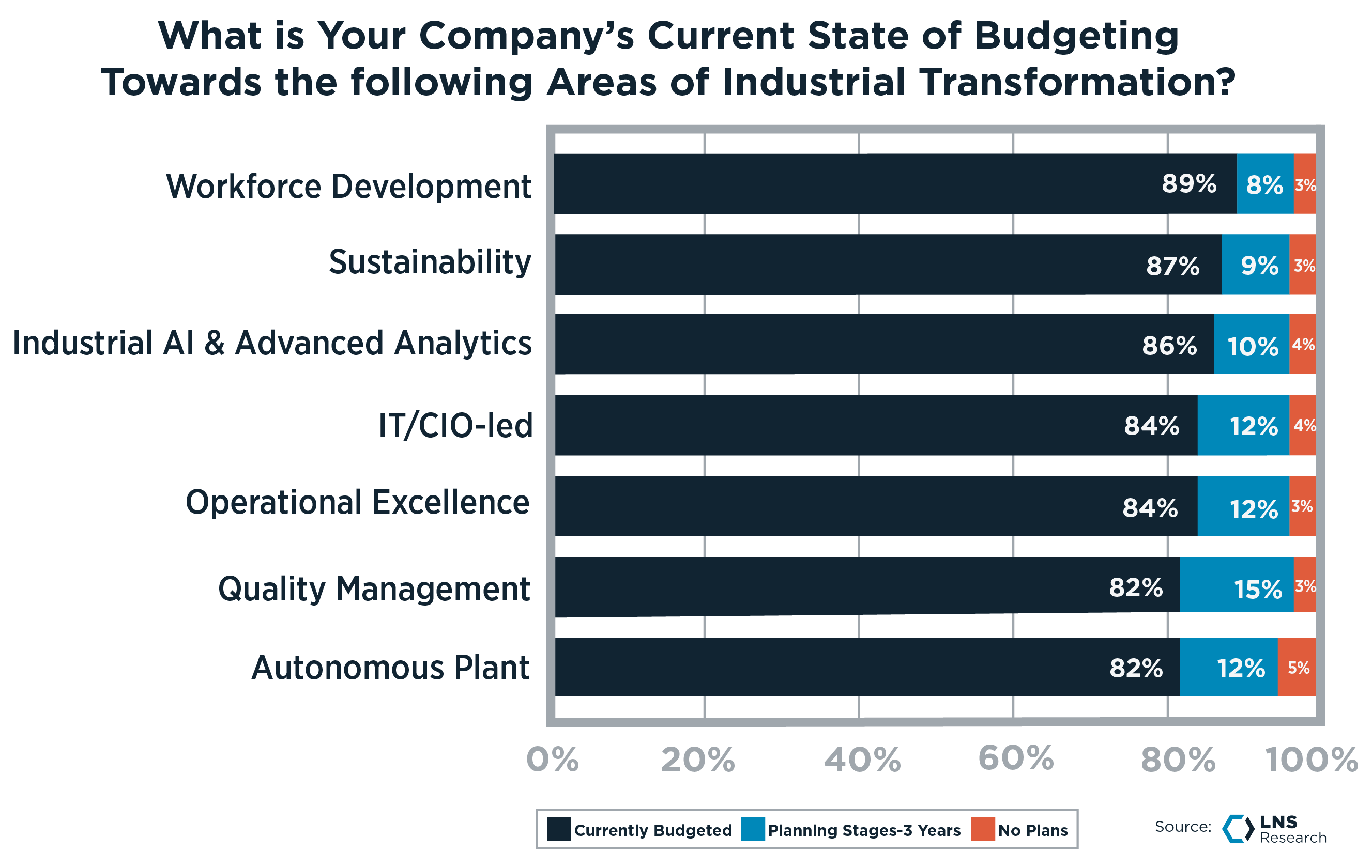
Figure 1: A Future of Industrial Work (FOIW) strategy has
leapfrogged all other areas of industrial transformation.
Industrial Transformation Leaders have expanded their thinking to embrace a Future of Industrial Work (FOIW) ecosystem that is digitally enabling leadership at all levels and building a more agile workforce focused on business outcomes that dramatically improve safety, quality, productivity, and sustainability. With Industrial AI and newer emerging technologies, many manufacturers may be closer than they think.
Reimagining the Employee Lifecycle
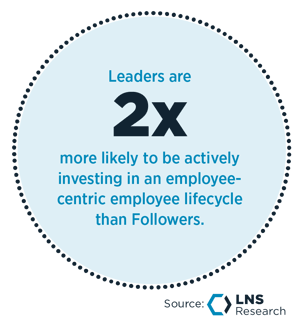 Rising asset complexity, accelerating turnover, and a growing skills gap demand action. With legacy approaches no longer competitive, Leaders are reimagining what is needed to transform operations. Strategies focused simply on digitizing processes have not delivered the step-change performance needed. Leaders aren’t just digitizing forms and compliance checklists; they are also adjusting to a radically accelerated employee lifecycle to protect safety, quality, productivity, and workforce performance, which sustains a competitive advantage.
As siloed, traditional approaches have proven ill-equipped to bridge growing skills gaps, Leaders have invested in an employee lifecycle (Figure 2) that aligns recruitment, selection, and skills progression to essential capabilities while optimizing onboarding, embedded coaching, and reskilling employees. To build a future-proof, modern workforce, Leaders have adopted digital tools that manage risks and opportunities in real time, support employees in achieving business outcomes, and upskill the workforce to meet future needs.
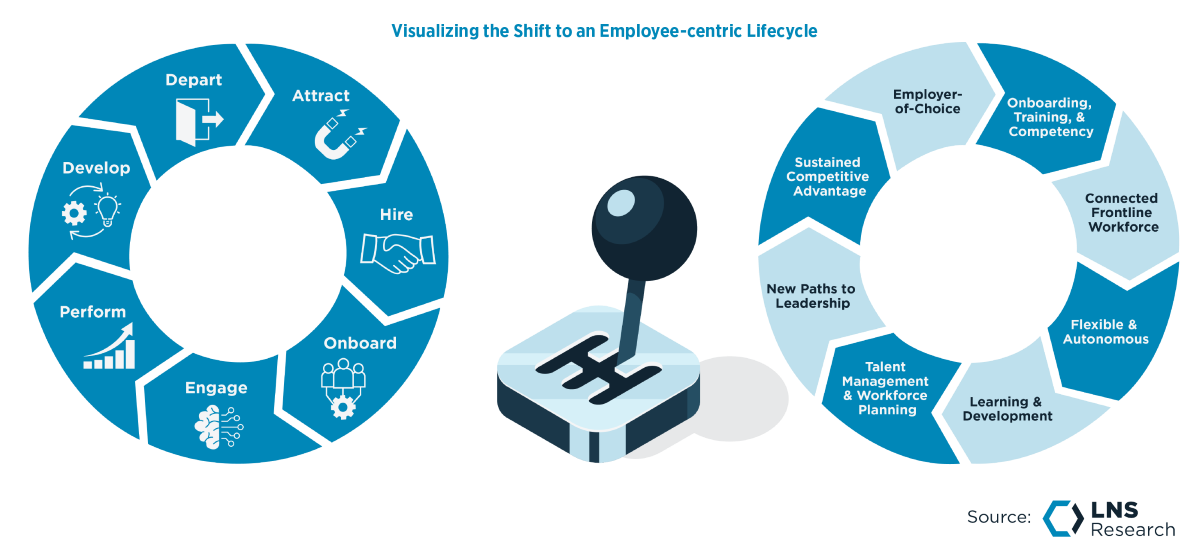
Figure 2: The employee‑centric employee lifecycle has allowed Leaders to
embed compliance into the flow of work, develop support solutions, and
prepare the workforce for newer ways of working.
By redesigning work around people, Leaders are decreasing the time employees are firefighting to free up more time for coaching and prioritizing actions that build agility and achieve better outcomes every shift. With holistic FOIW programs and Connected Frontline Workforce (CFW) efforts, 50% of Leaders report the frontlines are strongly engaged in leveraging analytics to accelerate workforce competency, mature decision intelligence, and drive innovation compared to just 21% of Followers. Leaders have evolved to an AI-powered ecosystem that delivers persona‑based, context‑relevant guidance to employees— wherever and whenever they need it—turning leadership intent into day‑to‑day actions and outcomes that drive long-term profitability.
The Emerging FOIW Ecosystem
In today’s continuously evolving environment, Leaders have widely scaled CFW applications for connecting the workforce with real-time actionable insights that enable data-driven decision-making at every level of the organization. LNS Research’s Intelligent Supply Network (ISN) benchmarking study shows nearly half of Leaders have adopted a CFW user interface (UI) to create a persona-based single pane of glass (Figure 3). Leaders are actively moving towards an FOIW ecosystem with a collaborative, technology-enabled, and personalized approach that brings people, processes, and digital tools together to transform the way work is done.
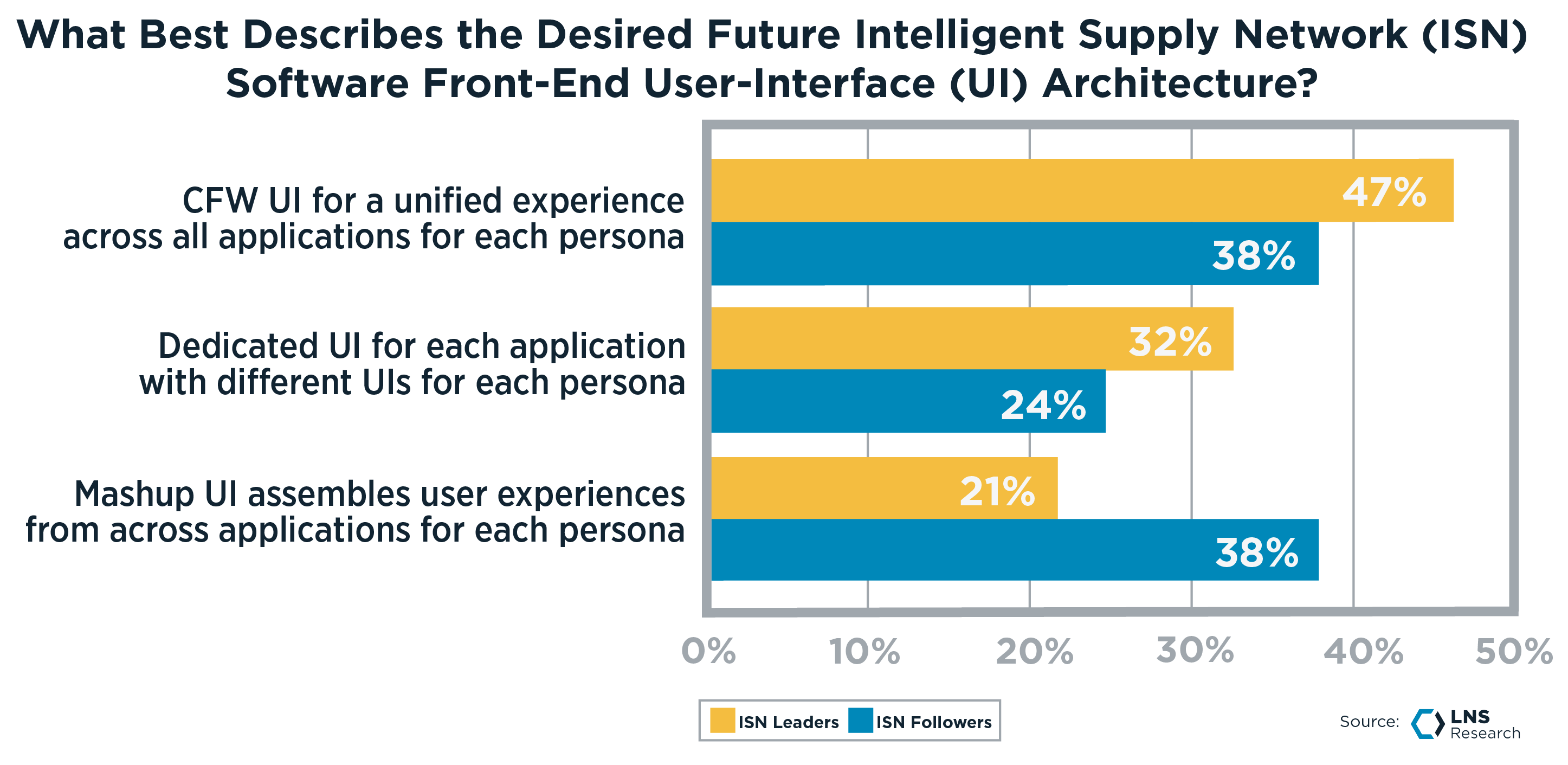
Figure 3: Manufacturers are rapidly adopting CFW applications
as desired future ISN Software Front-End UI Architecture.
When the UI is intuitive and relevant to their daily challenges, such as managing shift handovers, tracking performance, and coaching operators, the likelihood of successful technology adoption and long-term impact significantly increases. Persona-based CFW applications support faster data-driven decisions by delivering real-time information to users, personalized support with Agentic AI, and streamlining work across the organization. The FOIW ecosystem seamlessly integrates data from the plant level, across applications, and enterprise software to improve value chain visibility, build upon existing knowledge, and drive cross-functional innovation for future-proof operations.
Leaders recognize that to compete for future talent, Connected Workers are not enough. To remain competitive in the future, as 20+ year veterans retire faster than ever, investing in new capabilities, simplifying existing processes, and deploying AI-powered solutions that build on top of and interoperate with CFW applications for enhanced decision intelligence are key for industrial organizations. Leaders have shifted from survival mode to a proactive posture that scales proven technologies across roles, functions, and geographies more effectively by investing in digital tools that support employees at every level.
How Industrial AI is expanding the Ecosystem to Build Beyond CFW Applications
Leaders are upskilling employees faster by adapting to each worker’s experience level with a reimagined employee lifecycle and FOIW ecosystem that engages employees in cross-functional continuous improvement efforts. With CFW applications scaled across the enterprise, Leaders have embraced emerging technologies to create learning systems where analytics, Industrial AI, and employee experience are embedded in daily operations and automating tasks for safer, innovative, and more profitable operations.
LNS Research sees three distinct emerging technology categories that expand and build upon the CFW applications that have quickly grown across the industrial landscape over the past ten years. In some cases, these spaces will become new, specific application layers in the architecture that augment and enhance capabilities. In other cases, these may be feature functions that are included either within the CFW application as they expand beyond the initial use cases, or are added to other related application spaces like ERP, HCM, or MES:
-
 AI-Powered Safety and Risk Management delivers real-time risk monitoring and predictive insights at the point of work with vision systems, autonomous anomaly detection, and Agentic AI to prevent incidents, detect hazards, and solve problems for improved safety and business outcomes.
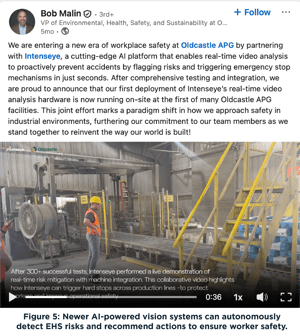
Organizations using AI-embedded technologies, such as Intensye, to recommend proactive measures and even act autonomously to mitigate risk and enhance real-time safety management for preventing workplace incidents and unplanned events. RoyOMartin shared how the company is automating a culture of safety during the Embedded EHS Executive Roundtable (Figure 4), while Oldcastle APG’s implementation can trigger emergency stop mechanisms to protect workers across operations (Figure 5).
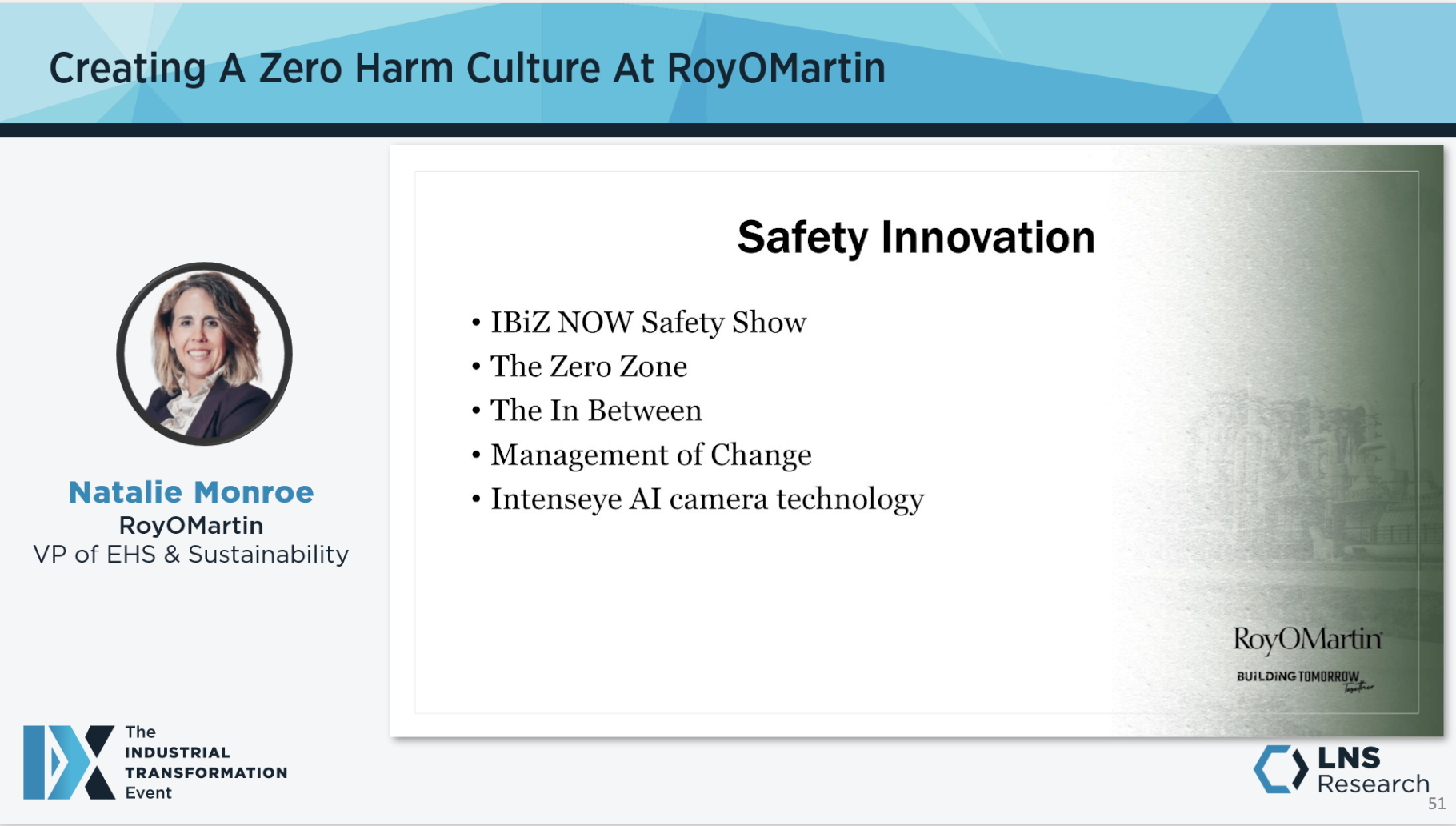
Figure 4: Intenseye at RoyOMartin provides frontline leaders with real-time risk
alerts to enable positive interventions to position the technology as a tool to protect rather than punish workers (The IX Event Embedded EHS Executive Roundtable).
-
AI-Powered Industrial Workforce Management embeds AI into systems, standards, and daily routines to support frontline leaders in planning shifts, managing skills, scheduling work, and engaging employees; filling the gaps that often exist between back office HCM systems and MES or CFW applications.
One such company being adopted by industrials is Indeavor, enabling better, faster, and more flexible staffing decisions that align with standard operating practices and support both production and employee flexibility. Nestlé was able to integrate data across multiple systems, including HR systems, to improve transparency and agility (Figure 6).
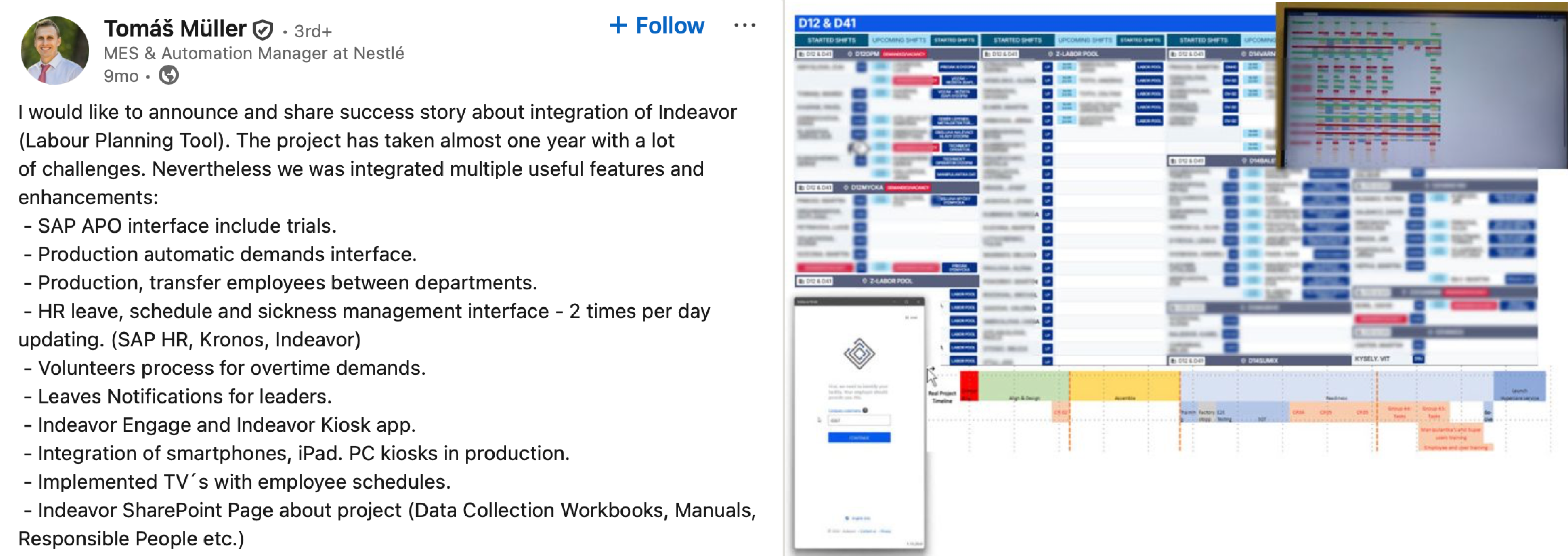
Figure 6: AI-powered workflows can align employee roles, skills, and preferences to assign tasks automatically, allowing supervisors to develop people, not paperwork, for enhanced shift and performance management.
-
AI-Powered Industrial Knowledge Management captures, organizes, and transfers enterprise knowledge with AI-guided training, troubleshooting support, and continuous learning to scale best practices and embed new ways of working.
Owens Corning, one of the 100 WMPCs, leverages DeepHow to produce video-based training that captures and shares tacit knowledge across the enterprise. AB InBev has scaled the solution for covering critical safety topics and providing engaging training content for the entire value chain (Figure 7).
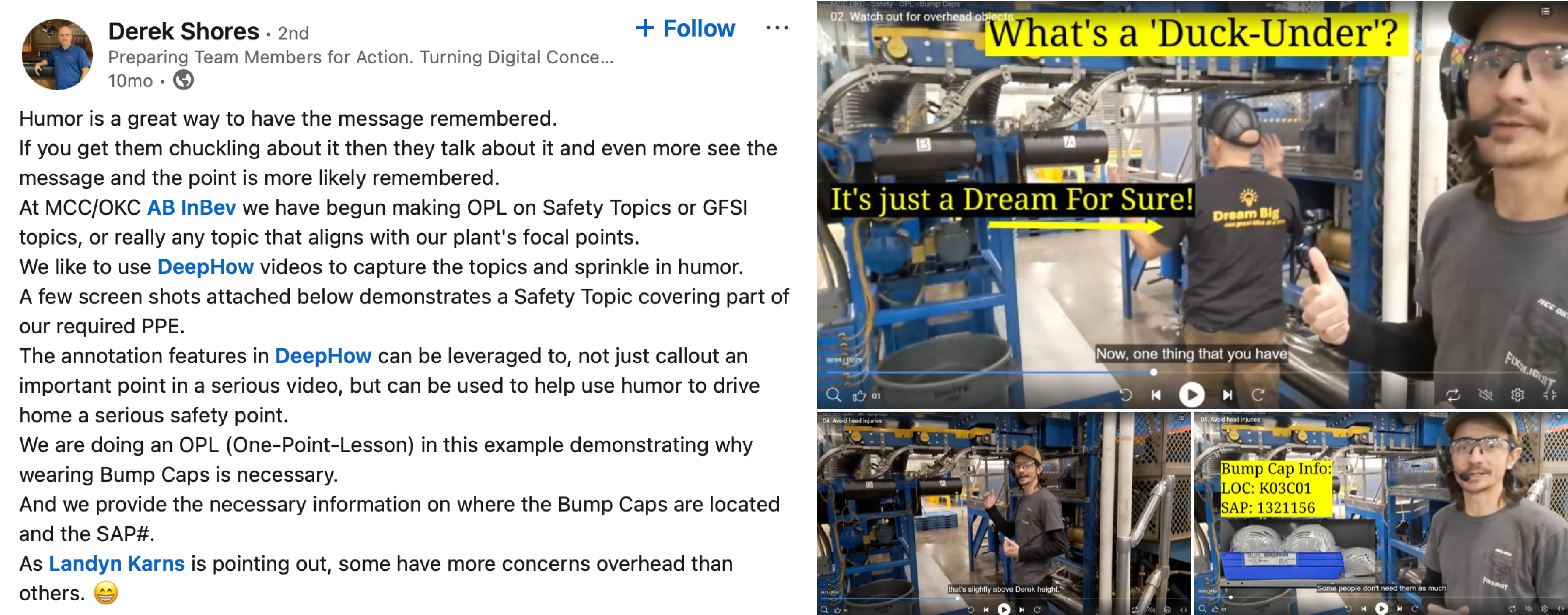
Figure 7: AI-aided knowledge capture accelerates workforce competency
with real-time work execution support for better, faster decision making.
When safety is positioned as foundational, strategy is aligned at the leadership level, and continuous improvement is rewarded, organizations cultivate a culture where employees drive transformation. Leaders are using emerging technologies to deliver real-time alerts, personalized insights, and proven best practices that fuel an FOIW ecosystem built on decision intelligence, a digital operating model, and automated knowledge management. Evolution is essential and requires manufacturers to pivot away from technology-centric initiatives to more holistic, integrated FOIW programs that develop employees, strengthen operational excellence, and deploy digital tools for more agile, innovative, and profitable operations.
Building the Ecosystem for the Future – Today
What separates Leaders isn’t one app or a patchwork of disconnected apps, but an ecosystem that embeds intelligence directly into daily operations. Real transformation comes from connecting plant execution to enterprise priorities and integrating safety, workforce development, and continuous improvement into the flow of work. The FOIW ecosystem (Figure 8) is dynamic as new solution categories, Industrial AI capabilities, and vendors emerge constantly. To stay ahead, manufacturers must strengthen their infrastructure for data, knowledge, and collaboration—both inside the enterprise and across the external ecosystem.
%20Ecosystem.png?width=614&height=501&name=The%20Future%20of%20Industrial%20Work%20(FOIW)%20Ecosystem.png)
Figure 8: CFW is the interface of the future, where humans
remain essential as AI transforms industrial operations.
Manufacturers who have accelerated the shift have executives focused on the following:
-
Adopting a CFW interface that continuously monitors operations and alerts workers to deviations, risks, and opportunities for embedding real-time safety, coaching, and development into daily work.
-
Driving deep integration to build new skills across plant assets, business applications, and enterprise systems to connect employees with proactive insights, role-based decision support, and more opportunities to innovate current ways of working.
-
Digitizing operational excellence for delivering the most up-to-date information, standard operating procedures, and in-context learning resources that reduce errors and improve productivity.
-
Embedding AI into workflows that concentrate on scalable use cases for enabling flawless work execution, maturing decision intelligence, and enhancing leadership practices across the organization.
-
Creating closed-loop systems that automate feedback, accelerate cross-functional collaboration, and fuel continuous improvement to build trust for accelerating personal, organizational, and business goals.
Leaders are no longer satisfied with just digitizing standard operating procedures or compliance; they are reshaping the model of work for competitive advantage. To create a FOIW ecosystem that better integrates Industrial AI and fully engages your workforce, evolve CFW initiatives with insights from the Why AI, Analytics, & CFW Applications Should Be in Your Frontline Toolbox blog.