AI is often presented as the next breakthrough for manufacturing. Boards demand it, CEOs promote it, and vendors sell it. On plant floors, however, workers cite tools that don’t reflect operational reality and mistrust recommendations. “Efficiency” projects feel disconnected from daily work, safety, and lasting impact. This has widened the credibility gap and serves as a wake-up call for executives investing in AI (Figure 1).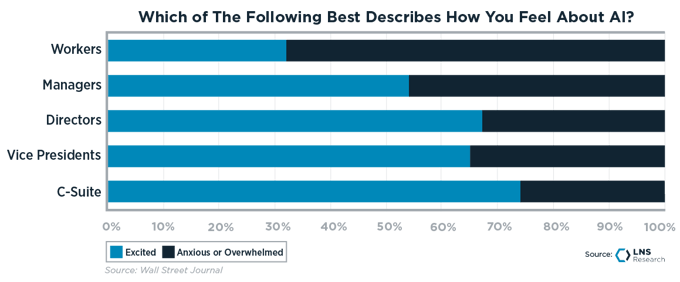
Figure 1: Surveys show a significant gap in how AI is being perceived, with anxious workers on the shop floor and excited execs on the top floor.
For Chief Sustainability Officers (CSOs), this gap is an opportunity, but only if AI can be positioned as a credible companion that enables new ways of working and drives business outcomes instead of another layer that sits on top of an already fragile system. As Leaders are establishing governance and structure for AI experimentation and development, Followers are more likely to experience escalating fragmentation and complexity from uncontrolled AI experimentation, leading to tool sprawl. Leaders have adopted an approach in which AI integrates data across industrial applications, enables what-if scenarios, and improves decision-making to enable more sustainable, profitable operations.
When implemented poorly, AI fails to build trust and value, risking your license to operate. As the COO redesigns operations and the CIO scales digital solutions, CSOs must accelerate adoption by connecting AI directly to risk management, operating model design, and decision rights. The next steps are critical to achieve board targets amid rising regulatory pressure and public scrutiny.
More Data, More Complexity, Not Enough Confidence
The core AI trust gap in plants is not about whether the model is advanced enough. It is whether workers, supervisors, and executives can see a transparent chain of logic and reasoning from data to insight to recommended action. Without it, AI adds noise, but with it, AI enables faster, safer, more accountable decisions.
From a CSO’s vantage point, the patterns that keep surfacing are concerning. Serious incidents and fatalities (SIFs) are still on the rise despite better reporting and more sensors. Most manufacturers already have a technology stack of systems spanning the enterprise (e.g., MES, EHS, quality, maintenance, energy management), with a wave of solutions for analytics and “smart” insights being adopted. The real differentiator for those succeeding is not access to AI; it is how the organization applies AI with tools and data, then makes decisions and takes action.
The missing step is trust. Data does not automatically become action. In practice,
manufacturers move through a chain: data, information, insight, trust, and then action (Figure 2). The weak point often lies between insight and action, where operators and supervisors must decide whether the recommendation is credible enough to drive action in real operating conditions. If they cannot understand the evidence, the logic, or the escalation path, they will hesitate, override, or ignore the recommendation.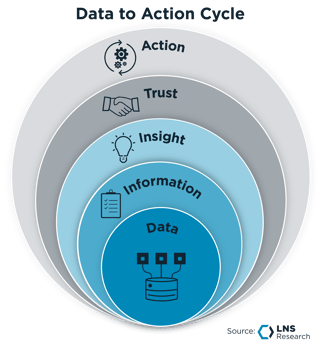
Figure 2: Trust is critical for manufacturers to move from
data, information, and insight to concrete action.
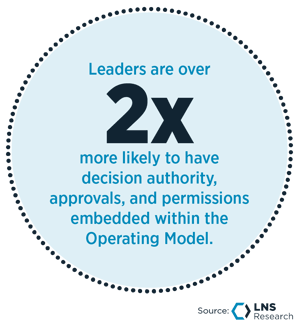
LNS Research has found that those succeeding are twice as likely to embed AI into day-to-day operations and continuously refine a well-established operating model. They’re removing complexity and improving confidence (e.g., Who is allowed to take which actions? Under what conditions? Based on what evidence?) by baking decision authority into workflows and systems for faster, governed execution.
AI Inside the Operating Model, Not on Top of It
The shift CSOs need to lead is simple to say, but hard to do. Moving AI from a “tool layer” to an “operating model” starts with an uncomfortable question: Where must humans remain firmly in charge, where do we want AI augmentation, and where can machines genuinely, and safely, take the lead? By aligning the organization to clear design choices, executives can support the right guidelines and guardrails. The Safe Industrial Autonomy Framework (Figure 3) provides CSOs with a way to visualize how AI protects people and clarifies decision-making across operations:
-
-
-
Tie AI initiatives strongly to strategic goals: focus on eliminating incidents, reducing severity, emissions sources, waste streams, and improving profitability.
-
Define the “safe operating envelope” for AI: where it is not permitted, must only advise, and may act automatically.
-
Treat data and knowledge as strategic infrastructure: Without high‑quality event, maintenance, and process data, AI becomes a liability rather than an asset.
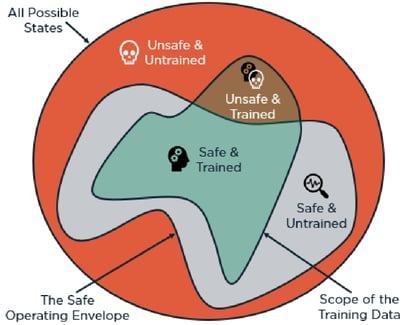
Figure 3: The safe operating envelope defines the states the system
has been trained on and the autonomy local teams have in decision-making.
A CSO wins by driving measurable momentum toward outcomes that matter. Leaders have made tangible progress on TRIR, SIF, waste, and carbon targets, while Followers lag. When goals aren't met, the likely constraint is unclear decision rights, slow escalations, and weak accountability for sustainability signals.
Scaling AI in Practice and on the Plant Floor
For manufacturers, the real test of AI is whether it changes how work gets done on the plant floor. Focusing on practical use cases that build credibility, reveal new ways of working, and embed capabilities where work really happens is squarely within the CSO’s domain. Leaders treat AI as integral to executing sustainability and safety strategy and to making better, faster, and more transparent decisions in operations. To accelerate success, Leaders have adopted and scaled high-value AI use cases, such as incident and near‑miss triage, process and asset anomaly detection, and automated data collection for root‑cause analysis, which have delivered concrete value.
 CSOs add value by owning the conditions that keep AI safe, explainable, and actionable in real time. With trust built through reliable, transparent decisions, three beliefs are key to closing the trust gap between workers, leaders, and AI systems:
-
-
-
Recommendations are evidence-based to defend decisions to regulators and auditors.
-
Employees have the authority to act, so frontline teams don’t wait for permission when seconds matter.
-
Systems learn continually, so every near‑miss and incident improves the system, not just the report.
Leaders don’t treat AI as a silver bullet, but as a way to provide prescriptive, role-based recommendations to workers while automatically escalating anything outside of predefined limits to a senior operator or environmental and safety advisors. Whenever there is a disagreement between an AI and a human suggestion, closed-loop learning processes are used to analyze why and implement improvements. This approach enables Leaders to continuously refine models, test new use cases in controlled pilots, and ensure processes protect people and profitability at all organizational levels (Table 1).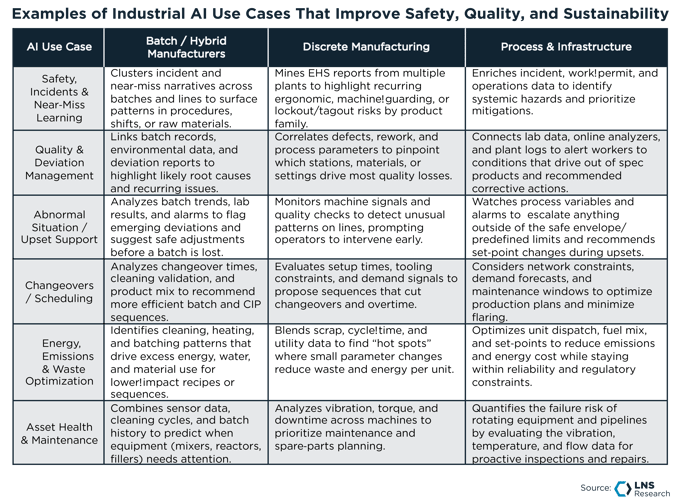
Table 1: Examples of Industrial AI use cases that improve safety, quality, and sustainability.
How CSOs Can Turn AI Ambition into Safer, More Profitable Operations
By treating AI as the industry's driver of sustainable advantage, CSOs ensure trust, improved decision quality, and better business outcomes (Table 2). While they may not own an enterprise AI strategy, CSOs play a pivotal role in ensuring AI is explainable, governed, and embedded in day-to-day work.
CSOs should prioritize five actions to navigate growing AI hype, and enterprise mandates must:
-
-
-
Treat trust as an operating condition. Make evidence, reasoning, and safe override of AI recommendations easily accessible to all employees.
-
Create an AI risk framework. Insist on full traceability for sustainability-critical AI; only scale explainable and auditable solutions.
-
Build AI-powered workflows to enhance decision intelligence. Redesign high-risk processes with clear decision rights, thresholds, and escalation mechanisms.
-
Convert human-AI disagreements into improvement opportunities. Analyze overrides and use findings to enhance models, workflows, rules, and competencies.
-
Focus on outcomes, not AI activity. Measure impact on risk reduction, safety, waste, emissions, and energy use, as well as response times, productivity, and profitability.
To turn AI ambition into practical results, leading CSOs are building trust into AI-enabled work to protect credibility, empower employees, and deliver measurable value in the future of industrial work (Figure 4).
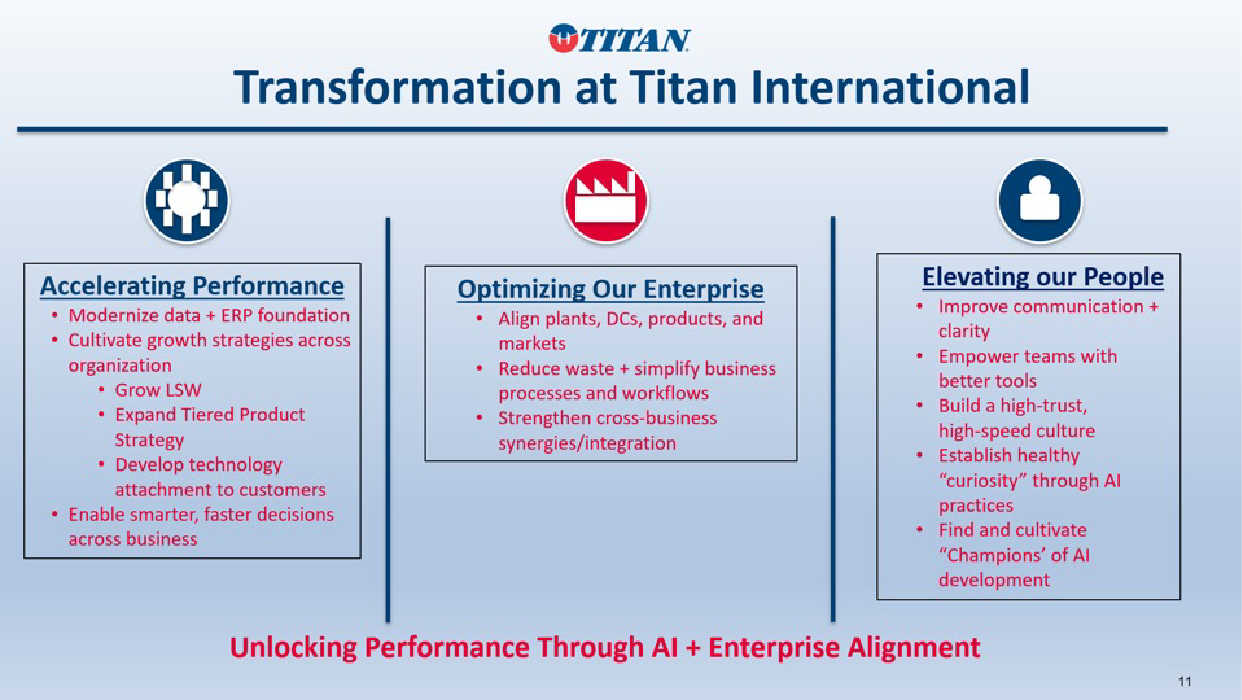
Figure 4: Elevating people and building a high‑trust, high‑speed
culture is critical to AI-accelerated performance improvements.