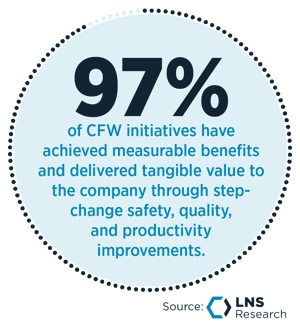
Connected Frontline Workforce (CFW) initiatives have measurably improved operational performance for over 95% of manufacturers. The buying question has shifted from “Which application has the most features?” to “Which architecture can orchestrate decisions across roles, sites, and existing industrial systems?”
 LNS Research finds that only 4% of organizations have no plans for CFW initiatives, and over 70% have widely scaled ten or more CFW capabilities across most plants. Over 90% of manufacturing organizations have already adopted or have plans to deploy Industrial AI.`
AI and automation are rapidly changing operating dynamics. Industrial Transformation Leaders have shifted to an ecosystem approach to the Future of Industrial Work (FOIW), centered on AI-powered CFW applications. Overcoming today’s biggest challenges while redesigning the ways of work requires knowing what the organization will need to evolve, with the 2026 CFW Applications Solution Selection Matrix (SSM) designed to drive better, faster decisions.
A More Mature CFW Market as an FOIW Ecosystem Emerges
The CFW market has expanded across industry verticals, driven by declining performance across industries, rapidly evolving expectations, and shifting buying patterns since the first solutions gained traction in 2018. LNS Research defines CFW applications as solutions that provide a seamless, persona-based interface to support safe work execution and enhance decision intelligence.
More than 50% of manufacturers have scaled CFW solutions across operations to improve safety, quality, and security. Over 70% have scaled ten or more capabilities across most plants. Buyer expectations moved with that scale. Early CFW purchases were judged on whether a procedure made it onto a tablet. Purchases today are judged on decision intelligence at the point of work, where skills, safety, quality, productivity, and operational discipline converge.
These adoption numbers show a category past its proving stage, with vendor strategies converging as the market grows. CFW offerings now fall into four categories (Figure 1), and depending on scope and deployment model, some vendors legitimately span more than one:
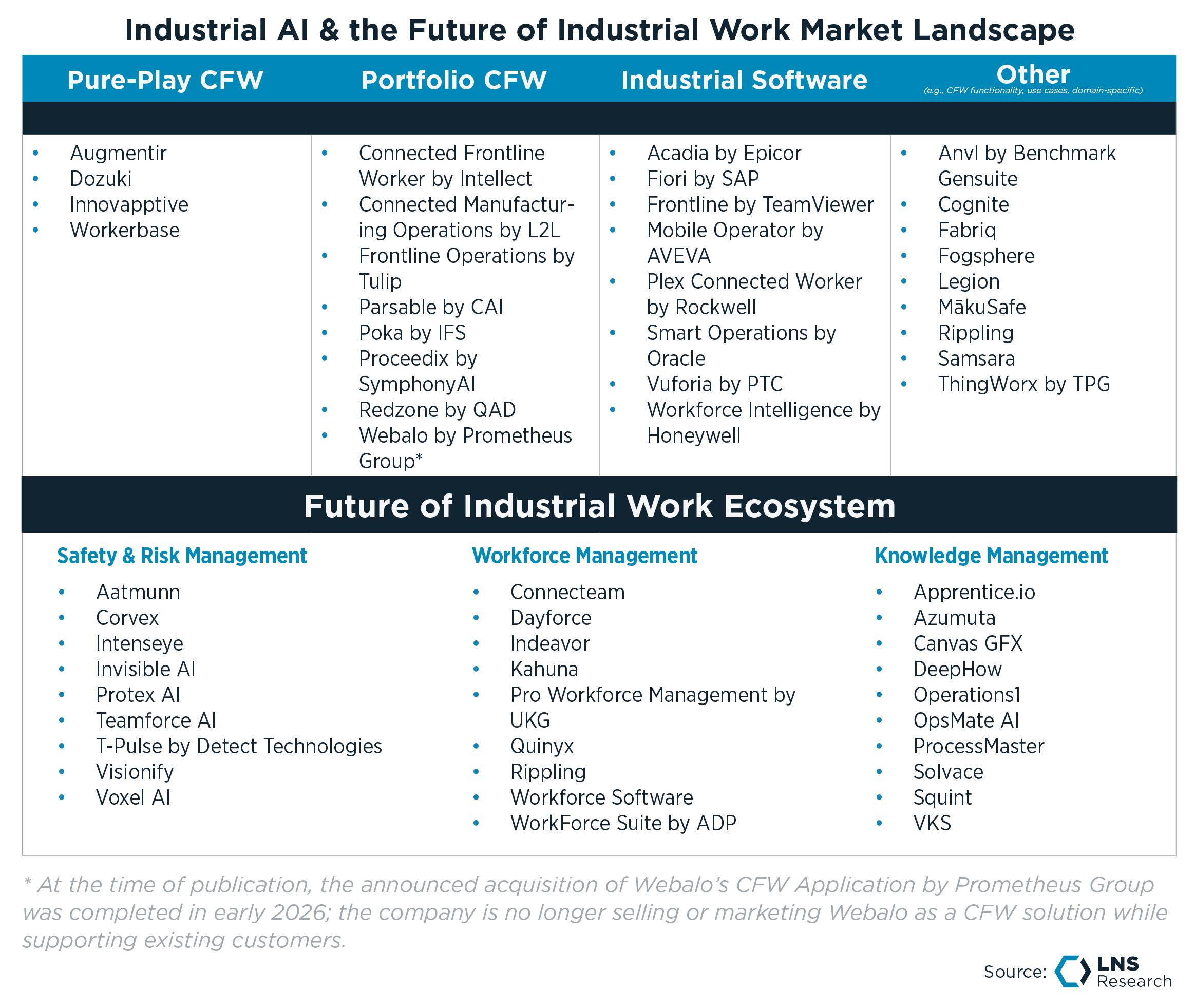
Figure 1: CFW offerings typically fall into one of four solution categories.
-
-
-
Pure-play CFW: purpose-built CFW platforms that span multiple frontline use cases and typically compete on innovation speed, usability, and time-to-value.
-
Portfolio CFW: productized CFW solutions offered within a broader portfolio, often bundled with adjacent operational applications and services.
-
Industrial Software: global industrial software providers that support CFW scenarios as part of a wider platform or suite.
-
FOIW Ecosystem: adjacent application layers organized into domains, with emerging technologies that include computer vision and AR/VR-assisted guidance that expand CFW outcomes across safety, workforce, and knowledge management.
Work Orchestration Has Become CFW Table Stakes
AI-powered CFW applications have become critical to industrial operations, productivity growth, and corporate strategy (Figure 2). This CFW SSM evaluated vendors with active customer deployments across core manufacturing sectors—discrete, batch/hybrid, or process/infrastructure—and that embed safety, compliance, and real-time risk mitigation into daily task execution. Vendors were evaluated not only on feature breadth but also on their ability to integrate into complex industrial architectures, support outcomes across personas, and scale governance across multi-site operations.
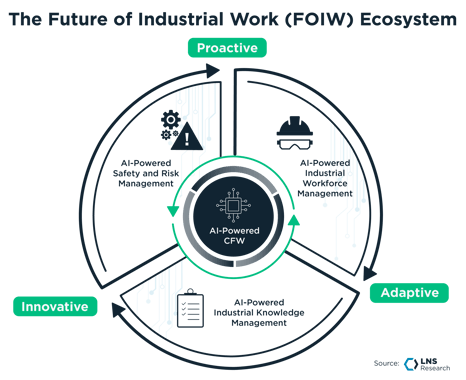
Figure 2: The Future of Industrial Work (FOIW) Ecosystem
Each solution was scored against the LNS Research 3P Evaluation Model, which assesses three independent dimensions:
-
-
-
Product evaluates the core and emerging CFW capabilities as well as the unique features and technology each platform offers.
-
Presence assesses a vendor's CFW market penetration and scores both the capability to serve and proven success in specific markets.
-
Potential reflects the company’s trajectory in the CFW market landscape and growth potential across both product and presence.
Connectivity solved an earlier problem: getting information to frontline employees. Work orchestration addresses the harder problem of determining what should happen next. It connects operational context, business rules, expert knowledge, and AI-driven recommendations to the worker and workflow responsible for acting. Leaders are adopting AI-powered CFW approaches that support better decisions and modern operating models, which is why the CFW architecture question is becoming more important.
Creating a Short-List of CFW Solution Providers
LNS Research identified 13 vendors whose CFW go-to-market strategies align strongly with current and emerging trends and whose capabilities integrate data and decision-making across existing industrial applications (e.g., ERP, MES, EQMS, EHSS). Each includes Industrial AI investments and a roadmap tied to specific business outcomes, delivering real-time work execution and optimization that manufacturers need from an enterprise solution that connects the FOIW ecosystem.
Those 13 are not interchangeable. They differ in the industries where they have proven deployments, the personas they serve well, how far their AI capabilities extend beyond assisted search, and how much of the work orchestration layer they own rather than assemble through partners.
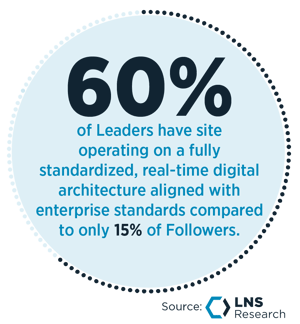
The CFW Applications SSM (Figure 3) positions all 13 and gives manufacturers a starting point for selecting a solution to create a standardized, real-time digital architecture that connects operating sites, which 60% of Leaders have already built. With the Vendor Compendium, buyers have access to a full profile of each company, CFW solution, key capabilities, and recommendations to consider during the decision-making process.
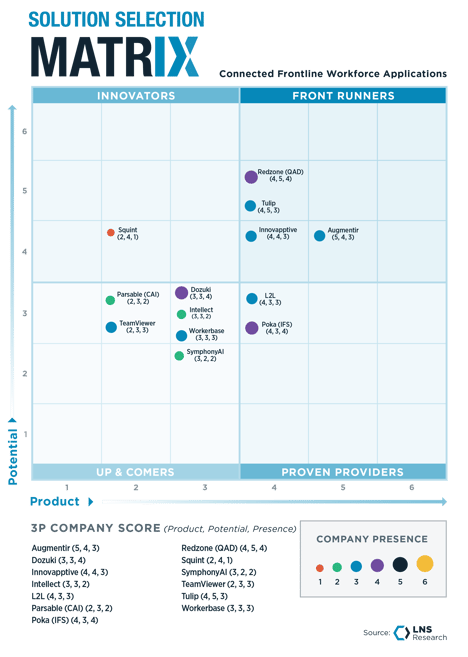
Figure 3: Thirteen vendors were evaluated in the 2026 CFW Applications SSM.
 Consolidation and the fast pace of operations have reshaped the CFW market and digital investments. Five CFW platforms have been acquired since the 2023 SSM, roughly one a year, and several large industrial software providers now reach the frontlines through white-label agreements and partnerships rather than through products they built. Buyers evaluating offerings must ensure that platform interoperability and data ownership are built in to enable connectivity and portability in the AI-powered FOIW, rather than relying on a CFW line-item evaluation or roadmap score to satisfy the business case.
Final Recommendations
Manufacturers reassessing build-versus-buy in light of AI are right to do so. Building on a CFW platform, which offers site-specific logic, custom agents, and models trained on proprietary operating data, is how leading organizations are creating a durable advantage. By treating AI-powered CFW as a multi-year product commitment, many have named one of these vendors as a strategic transformation partner for co-innovation rather than building CFW solutions internally.
COOs can empower CFW solution selection teams to confidently identify the best vendors within the industry landscape to accelerate AI adoption, support the company’s overall FOIW strategy, and deliver end-to-end work orchestration, using these guidelines:
-
-
-
Buy CFW for growth; anchor the value proposition on decisions. CFW funding was earned by capturing the steps employees took in guided work instructions. Winning now depends on whether a platform improves decision-making across sites, which requires a clear FOIW vision, AI strategy, and outcomes before features.
-
Eliminate closed platforms that constrain AI and interoperability. Require vendors to demonstrate how data is collected, contextualized, governed, and exchanged across existing industrial applications, and how AI models can learn from those workflows without creating another isolated technology layer.
-
Position CFW as an orchestration layer, not corporate-mandated software. Invest in architecture, communications, governance, and training required to move the right context to the right role as operating conditions change.
Future blog posts will dive deeper into the CFW market, and LNS Research members can obtain an in-depth analysis of each vendor and the respective CFW solution by downloading the CFW Applications SSM Vendor Compendium from the LNS Research Library.